
Amazon Selling in 2026: A Structured Approach for New Sellers

Table of Contents:
Amazon Selling Guide for 2026: The Key Areas New Sellers Must Address
1. Optimize Listings for AI-Assisted Product Discovery
2. Activate Amazon Brand Tools Earlier in the Selling Cycle
3. Integrate Advertising and Promotions into Initial Go-to-Market Execution
4. Embed Automated Pricing into Early Pricing Operations
5. Strengthen Inventory Placement and Replenishment Planning
6. Align Product Variation Structure with Amazon’s Review Rules
The 90-Day Framework: How New Sellers Can Approach Amazon Account Management?
Phase 1: Set Up the Amazon Seller Account
Phase 2: Activate Pricing, Fulfillment, and Launch Visibility
Phase 3: Improve Conversion and Refine Account Performance
The challenge on Amazon is not getting listed. It is getting the setup right before the account goes live at scale.
For new sellers, that means approaching Amazon with stronger control over listing quality, brand tools such as Brand Registry and A+ Content, advertising and promotions, pricing, replenishment planning, and variation structure. These areas play a direct role in how products are surfaced, evaluated, and purchased during the early phase of selling.
This blog outlines the key areas for sellers to address and provides a 90-day framework to guide setup, launch execution, early performance refinement, and how an Amazon account management agency helps.
Amazon Selling Guide for 2026: The Key Areas New Sellers Must Address
1. Optimize Listings for AI-Assisted Product Discovery
With AI-driven search in place, keyword optimization in Amazon listings is no longer enough. The product description must be structured to support product discovery and evaluation across different AI-driven systems, such as;
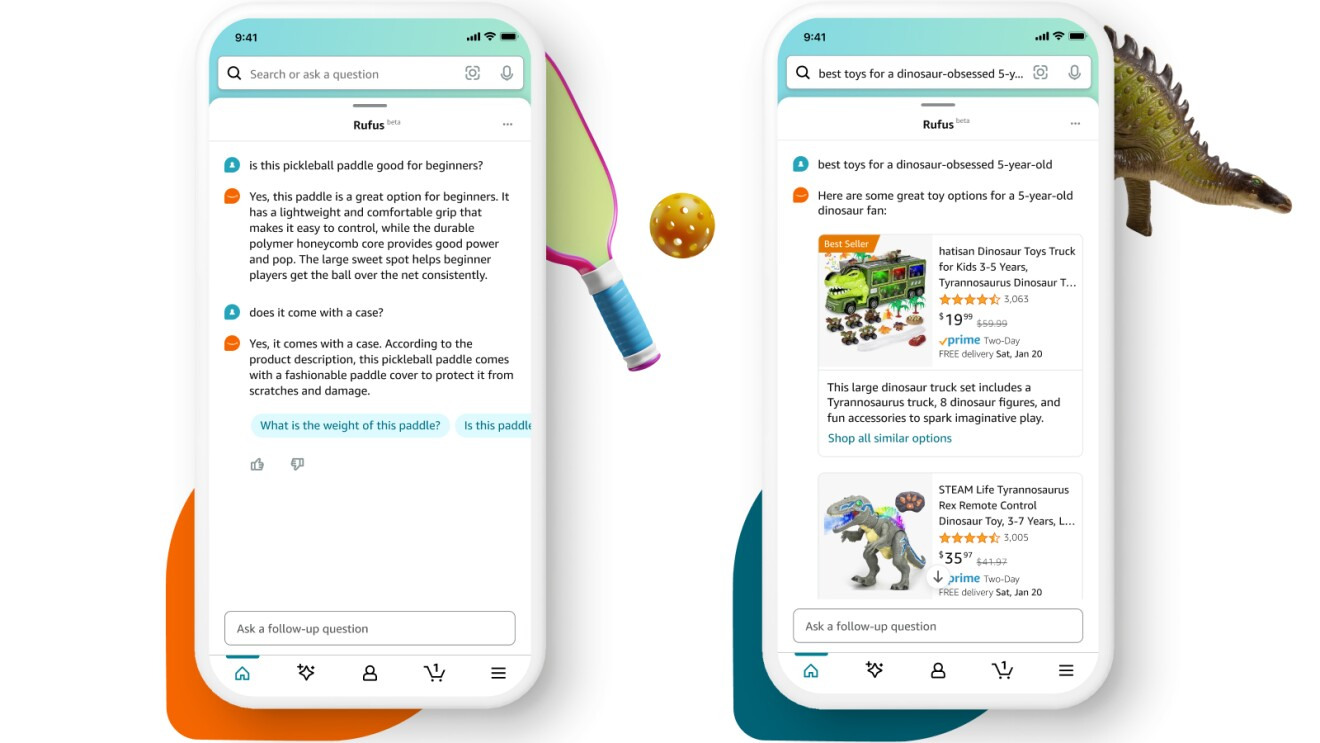
- Amazon Rufus is built to answer shopping questions, compare products, and make recommendations in context.
Source: Amazon
- Voice search systems such as Alexa help shoppers through natural-language and conversational queries.
- ChatGPT, Perplexity, and other answer engines assist shoppers in exploring, comparing, and discovering products through personalized buyer’s guides.
Key Strategies for New Sellers:
- Build listings around shopper questions, use cases, and buyer fit.
- Keep the product data enriched to support product discoverability and search visibility.
- Set up a variations structure to group related ASINs in a way that improves product evaluation.
- Enroll in the Amazon Brand Registry program to gain access to A+ content and greater control over PDPs.
- Use customer reviews, Q&A, and search query data to refine listing content, discoverability, and conversion.
2. Activate Amazon Brand Tools Earlier in the Selling Cycle
Amazon’s new Seller Guide places Brand Registry, A+ Content, Vine, and Sponsored Brands within the first 90 days, which makes early brand setup more consequential for both product presentation and launch traction.
Key Strategies for New Sellers:
- Enroll in Amazon Brand Registry early to unlock brand protection and branded merchandising capabilities.
- Use A+ Content to strengthen product-page depth, comparison clarity, and branded presentation.
- Enroll eligible products in Amazon Vine to accelerate early review development.
- Incorporate Sponsored Brands into the initial brand launch plan rather than treating them as a later-stage activity.
3. Integrate Advertising and Promotions into Initial Go-to-Market Execution
Amazon is placing greater emphasis on paid visibility and promotional support earlier in the launch cycle. In its current new-seller framework, advertising and promotions sit alongside brand, logistics, and pricing, which makes launch traffic generation a core part of account setup rather than a later optimization layer.
Key Strategies for New Sellers:
- Launch with a defined Sponsored Products plan to establish early visibility on search and product detail pages.
- Use coupons, deals, or promotional offers to support conversion during the initial sales period.
- Align advertising rollout with review generation and branded content so paid traffic reaches stronger PDPs.
- Use early campaign data to refine targeting, conversion performance, and launch pacing.
4. Embed Automated Pricing into Early Pricing Operations
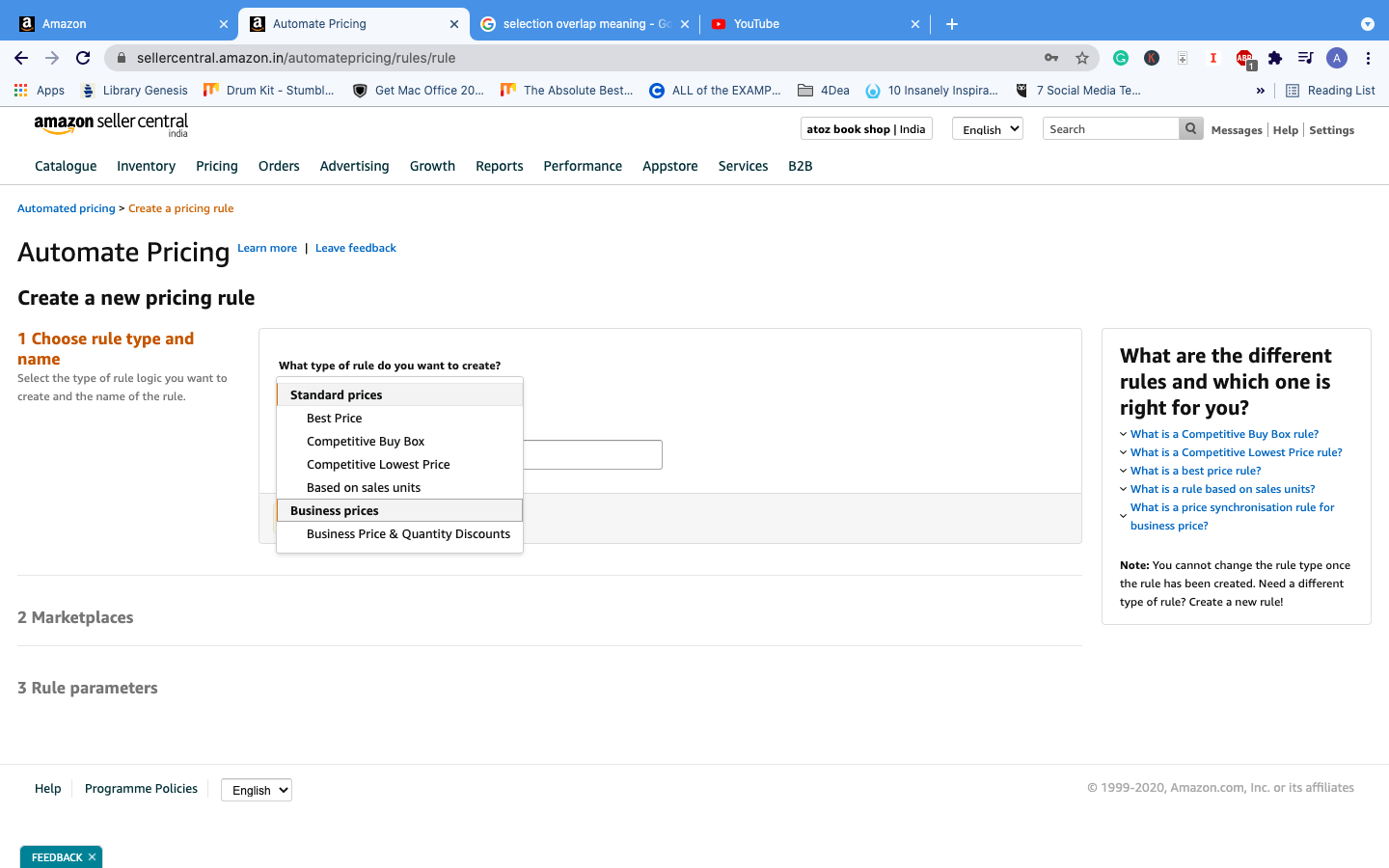
Amazon includes Automate Pricing in its first 90-day guidance for new sellers, making price automation part of early account setup. This reflects the need to manage pricing continuously from launch rather than treating it as a later optimization lever.
Key Strategies for New Sellers:
- Set pricing rules that protect minimum margins while maintaining competitive positioning.
Source: Amazon
- Use Automate Pricing to respond to Featured Offer conditions and market price movement more consistently.
- Separate launch pricing, promotional pricing, and base pricing instead of relying on one static list price.
- Review pricing performance alongside ad spend and conversion data to protect contribution margin.
5. Strengthen Inventory Placement and Replenishment Planning
Establish inventory placement and replenishment rules early to support stock availability as the catalog expands.
Key Strategies for New Sellers:
- Prioritize high-demand ASINs in replenishment planning.
- Segment inventory by sales velocity and commercial importance.
- Set reorder points based on demand patterns, lead times, and safety stock.
- Replenish fast-moving products in line with sales velocity.
- Review inventory placement decisions against fulfillment cost and sell-through performance.
6. Align Product Variation Structure with Amazon’s Review Rules
Reviews are now shared only among variations with minor differences that do not affect core functionality, while functionally different ASINs can carry separate review visibility, star ratings, and review counts.
Key Strategies for New Sellers:
- Group ASINs into one variation family only when the differences are minor and do not change core product function.
- Avoid combining products with ingredient, formulation, material, flavor, or other functional differences under one parent listing.
- Use variation structure to improve product selection clarity, not to consolidate reviews across materially different products. This last point is an inference from Amazon’s stated rationale for the change.
The 90-Day Framework: How New Sellers Can Approach Amazon Account Management?
Phase 1: Set Up the Amazon Seller Account
The first phase should focus on setting up the seller account, preparing the catalog, and ensuring that product detail pages are ready for launch.
Key Focus Areas:
- Set up the Professional selling account
- Create listings with complete and accurate product data
- Establish parent-child variation relationships correctly
- Initiate Brand Registry enrollment where the business sells under a trademarked brand
- Prepare priority ASINs for A+ Content and early review generation
Phase 2: Activate Pricing, Fulfillment, and Launch Visibility
With the catalog in place, the next phase should shift to fulfillment setup, pricing implementation, and advertising and promotional support for live listings.
Key Focus Areas:
- Activate FBA or finalize the seller-fulfilled operating model
- Implement pricing rules and automated pricing where relevant
- Launch Sponsored Products campaigns
- Introduce coupons, deals, or other promotional support
- Align inventory deployment with expected launch demand
Phase 3: Improve Conversion and Refine Account Performance
Use the post-launch period to review early sales, traffic, and operational trends, then refine the areas affecting conversion, pricing, and inventory performance.
Key Focus Areas:
- Expand A+ Content across priority listings
- Enroll eligible ASINs in Amazon Vine
- Refine pricing based on competitor monitoring
- Review sell-through and improve replenishment planning
- Address catalog, variation, and campaign performance issues identified during launch
The Strategic Imperative: As selling on Amazon becomes more operationally demanding, gaps in catalog quality, pricing, advertising, inventory planning, and variation management can quickly affect visibility, conversion, and stock availability.
Most in-house teams lack the platform-specific expertise, dedicated infrastructure, and cross-functional coordination required to manage these areas consistently. Amazon account management agencies address these gaps through platform-specific expertise, established operational workflows, specialized tools, and scalable resources to support sustainable growth on the marketplace.
Author Bio
Hazel James is an eCommerce consultant at SAMM Data —a leading eCommerce growth agency offering product data management, eCommerce marketing, marketplace management, and branding & creative solutions. She works closely with 45+ brands to optimize their eCommerce operations and uncover new growth opportunities. Hazel excels at analyzing market trends, spotting emerging technologies, and implementing best practices, enabling businesses to maintain a competitive edge. With her expertise, she helps brands make data-driven decisions and streamline their operations, ensuring long-term growth and operational efficiency.








Leave a Reply
Want to join the discussion?Feel free to contribute!